In today’s busy work environment, ensuring the safety and well-being of all employees is paramount. Yet, despite initial training, many find their first aid knowledge fading over time. This is where first aid refresher courses demonstrate their critical importance. They not only help in keeping your skills sharp but also reinforce confidence to act decisively in emergencies. Through practical exercises and updated guidelines, these courses can be a life-saving asset.
Committing to regular updates in first aid training, such as those offered by Envesca, can be instrumental for businesses striving to uphold health and safety standards. Let’s explore how these refresher courses play a vital role in promoting a secure and compliant working environment.
What Are The Key Benefits of First Aid Refresher Courses?
First aid refresher courses play a vital role in ensuring that individuals maintain their proficiency in life-saving skills. Over time, the details of first aid procedures can fade from memory, and regular refresher courses help to reinforce this knowledge, ensuring that individuals are ready to act swiftly and effectively in emergencies.
These courses provide updates on the latest first aid techniques and guidelines, which can evolve based on new research and best practices. By participating in refresher courses, individuals ensure their skills align with the most current standards, enhancing the quality of care they can provide.
Refresher courses also boost employee confidence, enabling them to respond to emergencies without hesitation. This confidence is crucial in high-pressure situations, where quick and decisive action can make a significant difference in the outcome for the injured or ill person.
In the context of workplace safety, regular first aid training helps organisations meet legal and regulatory requirements. Compliance with health and safety regulations is not only a legal obligation but also a moral one, ensuring a safe environment for all employees.
Envesca’s first aid refresher courses are designed to be comprehensive and engaging, tailored to meet the specific needs of various industries. This ensures that the training is relevant and applicable, making it easier for employees to relate the skills they learn to real-world scenarios they may encounter in their specific workplace.
By investing in regular first aid refresher courses, companies demonstrate their commitment to the well-being of their staff. This investment not only helps in preventing workplace accidents but also fosters a culture of safety and preparedness, which can enhance overall employee morale and productivity. Many businesses now use T100 compliance software to keep track of certificate expiry dates and refresher due dates, so nothing gets missed.
Sue recommends: Book your annual refresher in the same month every year, even if it feels early. It is much easier to keep on top of one date a year than to work out later who has slipped through the gaps.
What Does a First Aid Refresher Course Actually Cover?
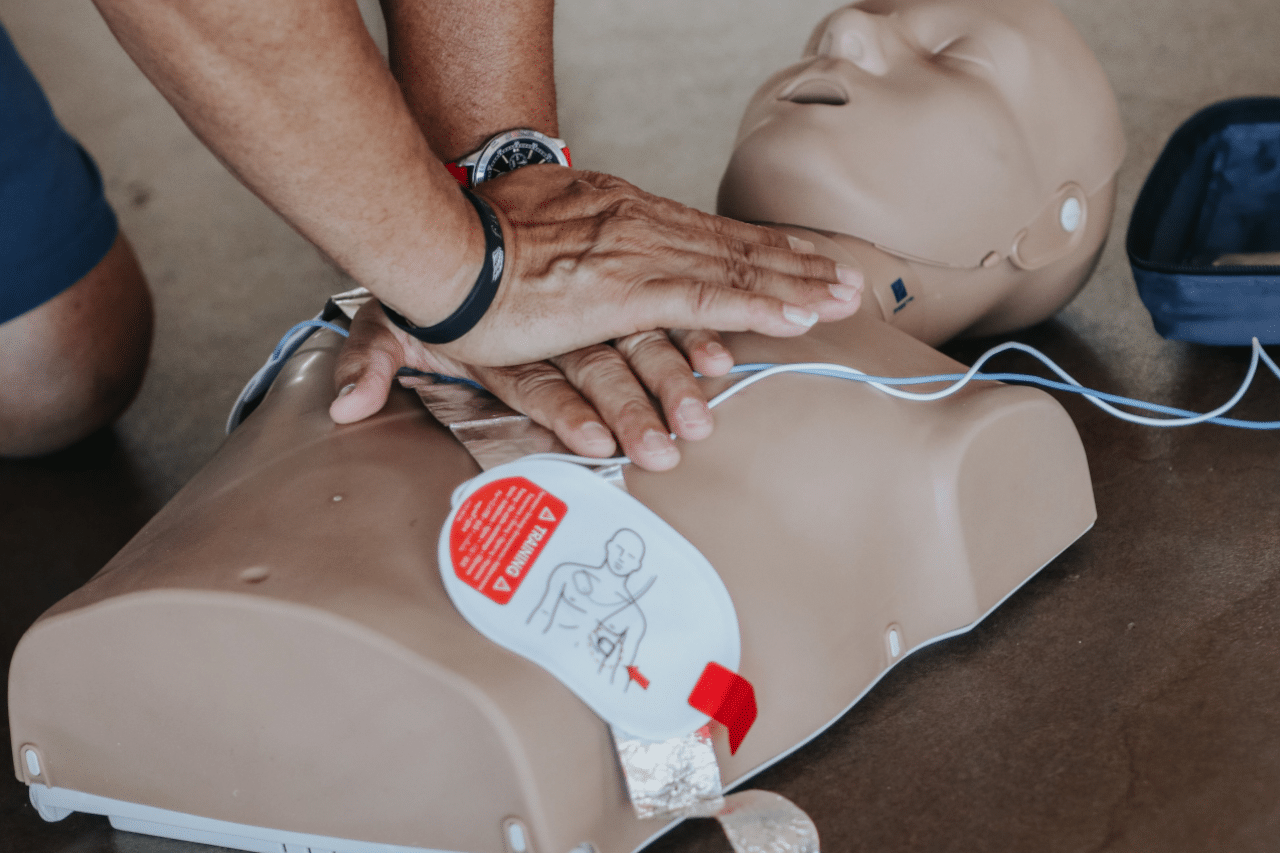
A good refresher does not just repeat your original course from start to finish. It focuses on the skills that fade fastest and the areas most likely to have moved on since your last certificate, so the day is spent where it matters rather than going over everything from scratch.
Expect a practical recap of primary assessment, so checking a casualty safely and working out what help they need, alongside hands-on practice of CPR and using an automated external defibrillator (AED). These are the skills most people find hardest to keep sharp without regular repetition, and they are usually where a refresher spends the most time.
You will also cover the everyday incidents that make up most workplace first aid, such as cuts, burns, choking, and managing someone who is going into shock, along with any updates to technique or guidance since your last course. Trainers will also run through correctly recording an incident in the accident book, since good record-keeping is part of staying compliant, not just an afterthought.
The exact content depends on which certificate you hold. If your original qualification was an Emergency First Aid at Work (EFAW) course, your refresher will focus on that emergency-only skill set. If you hold a full First Aid at Work (FAW) certificate, typically needed in higher-risk environments, the refresher covers the broader range of skills from your original three-day course.
Sue recommends: Bring along any real incidents your first aiders have dealt with since their last course. Talking through what actually happened, and what worked, is often more useful than any scenario in a textbook.
How Often Should Employees Take First Aid Refresher Courses?
First aid skills, like any other critical ability, can diminish over time if not regularly practised and updated. This is why it’s recommended that employees participate in first aid refresher courses annually. The Health and Safety Executive (HSE) strongly advises an annual refresher to maintain the sharpness and reliability of these vital skills, ensuring performance under pressure when it matters most.
Moreover, every three years, first aiders are required to undertake a formal requalification course. This is not just a recommendation but a legal requirement, emphasising its importance in maintaining health and safety compliance. These periodic refresher courses play a crucial role in reinforcing the procedural memory associated with first aid techniques and bolster the confidence needed to administer first aid effectively in an emergency.
Engaging in regular refresher courses can make a significant difference in a workplace setting. Many environments, due to their specific hazards and risks, are legally obligated to not only equip their staff with initial first aid training but also to ensure prompt refreshment of knowledge and skills. This continuous education ensures that the workforce is not only prepared but also proactive in maintaining a safe and responsive work environment.
By implementing a schedule that incorporates these refreshers, businesses can thrive knowing their teams are ready and capable of responding to various emergency situations swiftly and correctly. Keeping first aid skills current isn’t just about compliance; it’s about fostering a culture of safety and preparedness in the workplace.
What Makes Envesca’s Training Unique in Health and Safety Compliance?
Envesca’s training is distinguished by its comprehensive approach to health and safety compliance, ensuring that all aspects of first aid training are covered thoroughly. This includes not only the basic skills necessary for immediate response but also advanced techniques tailored to specific workplace environments. By offering a wide range of courses, Envesca ensures that organisations can select the most appropriate training modules for their unique needs, enhancing overall workplace safety.
A key feature of Envesca’s training is its emphasis on practical, hands-on learning. This method ensures that participants are not only theoretically knowledgeable but also confident in applying their skills in real-life situations. The courses are designed to be interactive, engaging, and relevant, which helps in retaining crucial information and skills over time. This practical focus is essential for effective first aid response, as it prepares employees to act swiftly and efficiently in emergencies.
Envesca places a strong emphasis on staying up to date with the latest health and safety regulations. Their courses are regularly updated to reflect current legislation and best practices, ensuring participants remain compliant with the latest standards. This commitment to keeping abreast of regulatory changes is crucial for organisations aiming to maintain high safety standards and avoid potential legal issues.
Another unique aspect of Envesca’s training is its flexibility and accessibility. Courses can be tailored to fit the specific requirements of different industries and delivered in various formats, including in-person, online, or a blend of both. This adaptability ensures that all employees, regardless of their location or schedule, can access the training they need to remain compliant and prepared.
Envesca’s team of experienced trainers brings a wealth of knowledge and expertise to their courses, built up over more than 30 years in the industry. Their trainers are not only qualified in first aid but also have extensive experience in various industries, allowing them to provide insights and practical advice that are directly applicable to participants’ work environments. This level of expertise enhances the learning experience and ensures that training is relevant and effective.
Finally, Envesca’s commitment to customer support and ongoing development sets them apart. They offer continuous support to organisations and individuals, providing resources and guidance even after the training has been completed. This ongoing relationship helps to reinforce learning and ensures that skills remain sharp, contributing to a safer and more compliant workplace.
How Do Refresher Courses Enhance Workplace Safety Preparedness?
Refresher courses play a pivotal role in enhancing workplace safety preparedness by ensuring that employees’ first aid skills remain sharp and up to date. Over time, the knowledge and skills acquired in initial training can fade, leading to a decline in confidence and effectiveness during emergencies. Regular refresher courses help to reinforce these skills, ensuring that employees can respond swiftly and appropriately when required.
In addition to maintaining skill levels, refresher courses provide an opportunity to update employees on the latest first aid techniques and protocols. Medical guidelines and best practices are continually evolving, and staying informed about these changes is crucial for effective first aid response. By participating in refresher courses, employees are kept abreast of the most current information, which can significantly enhance their ability to manage emergencies efficiently.
Sue recommends: Run a five-minute first aid recap at a team meeting between formal refreshers. It keeps the basics front of mind and gives people a low-pressure moment to ask questions.
Refresher courses also help boost employees’ confidence in their first aid abilities. Confidence is a critical component of effective emergency response, as hesitation or uncertainty can lead to delays in providing necessary care. Through regular practice and reinforcement of skills, employees are more likely to act decisively and effectively in critical situations, thereby improving overall workplace safety.
Furthermore, refresher courses help to foster a culture of safety and preparedness within the workplace. When employees regularly engage in first aid training, it underscores the importance of health and safety and encourages a proactive approach to risk management. This cultural shift can lead to a more vigilant workforce, where potential hazards are identified and addressed before they result in accidents or injuries.
Envesca’s first aid refresher courses are designed to ensure compliance with health and safety regulations, a fundamental aspect of workplace safety preparedness. By adhering to legal requirements and industry standards, these courses help organisations avoid potential liabilities and demonstrate their commitment to employee welfare. This compliance not only protects the business but also enhances workforce trust and morale, knowing that their safety is a priority.
What Regulations Require First Aid Training in the UK?
In the United Kingdom, the primary regulation governing first aid training in the workplace is the Health and Safety (First-Aid) Regulations 1981. These regulations require employers to provide adequate and appropriate first aid equipment, facilities, and personnel to ensure their employees receive immediate attention if they are injured or taken ill at work.
The Management of Health and Safety at Work Regulations 1999 further supports the need for first aid training by mandating that employers assess the risks to health and safety in their workplace. This assessment helps determine the level of first aid provision necessary, including the number of trained first aiders required. If you would rather have this assessed for you, Envesca’s health and safety consultancy team can carry it out on your behalf.
The Health and Safety Executive (HSE) provides guidance on implementing these regulations, recommending that employers consider factors such as the nature of the work, workplace hazards, and the size of the workforce when determining their first aid needs. The HSE also outlines the necessary training standards for first aiders to ensure they are competent to perform their duties.
For specific industries, additional regulations may apply. For instance, the Offshore Installations and Pipeline Works (First-Aid) Regulations 1989 require specific first aid arrangements for offshore installations, reflecting the unique risks associated with such environments.
While not a regulation per se, the Approved Code of Practice (ACoP) accompanying the Health and Safety (First-Aid) Regulations offers practical guidance on compliance, including recommendations for the frequency of refresher courses to maintain first aid skills. This ensures that first aiders remain competent and confident in their ability to respond effectively in emergencies.
Final Thoughts
Maintaining up-to-date first aid skills is not just a suggestion; it’s imperative for the safety and wellbeing of both employees and employers. Refresher courses offer the perfect opportunity to revisit and enhance these lifesaving techniques, ensuring that everyone feels prepared and confident in the face of emergencies. By choosing Envesca’s training programmes, you’re not only staying compliant with UK regulations but also fostering a workplace where health and safety truly come first. So, seize this chance to refresh your skills and help make your workspace a safer place for all.
Refresher. Keep your skills sharp and ensure you’re ready to act when it matters most. Book your course today.